
Made to Order
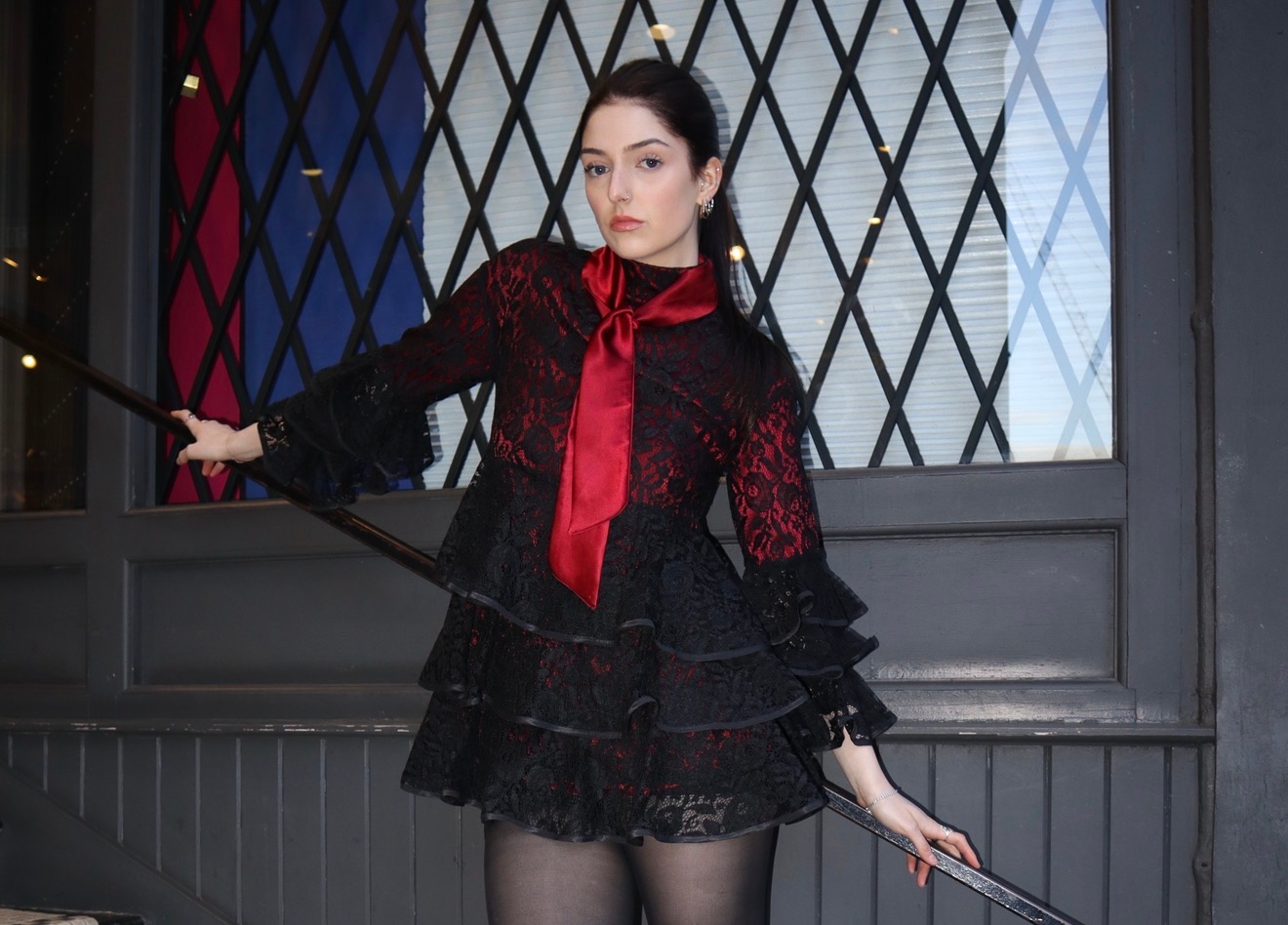
FASTIGIUM FW26 — Physalia
Photography: @samiamery
Model: @mayahofer_
Made to order is not simply a production method at Physalia. It is a decision about time.
Every garment is created through confirmed demand, not produced in excess or held as standing inventory. Nothing is made to fill a rack before it has a purpose.
This means each piece exists because it was chosen, and because time has been set aside to create it properly.
That decision — to work in small runs with intention — shapes everything about how Physalia approaches materials, construction, and craftsmanship.
What Made to Order Actually Changes
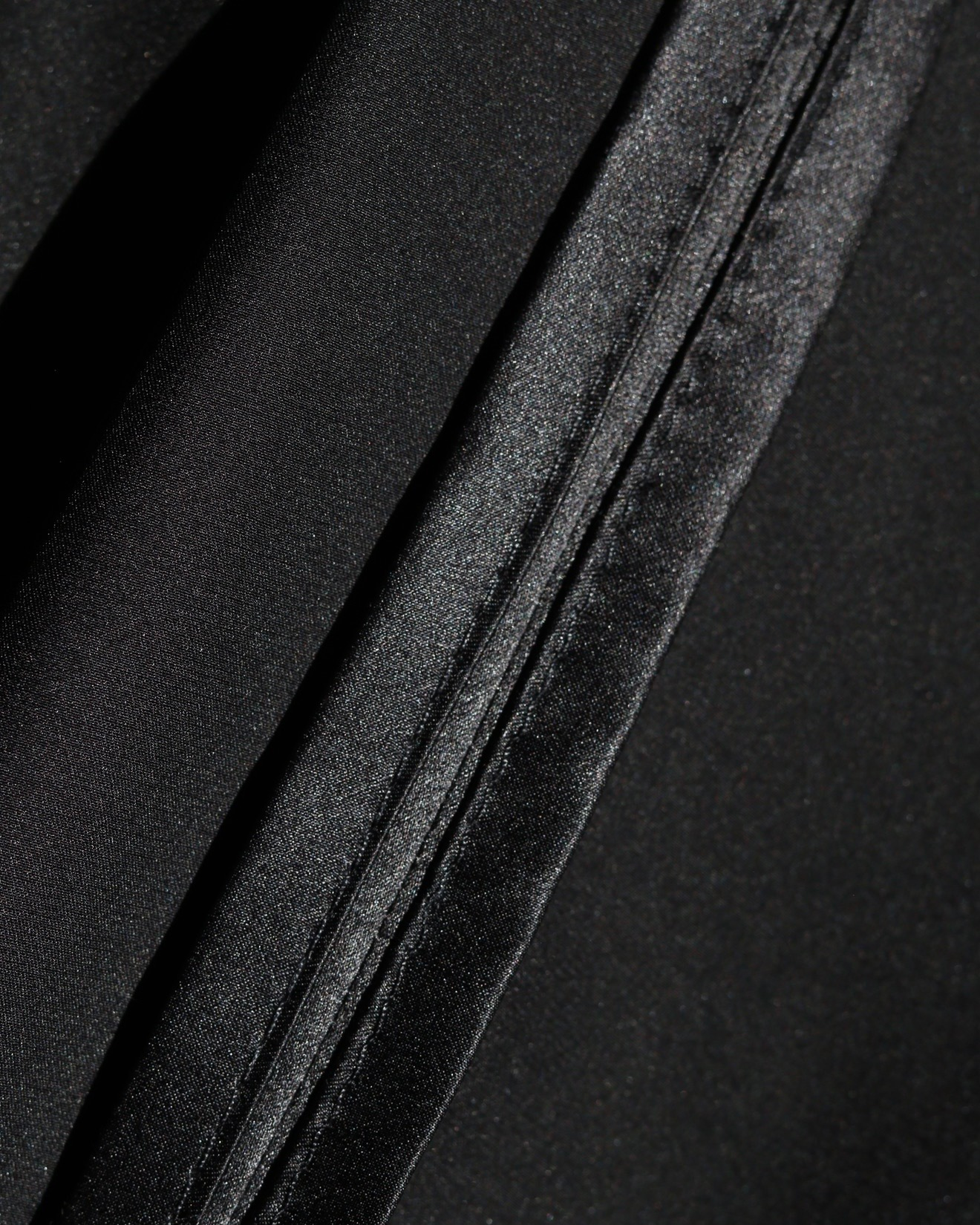
Attention to construction begins with the smallest details.
Mass production plans around forecasts. Physalia’s production begins with real demand.
When a garment is not competing with dozens of others moving through the same production cycle, it can receive a different level of attention. Fabric is handled with greater precision. Construction decisions remain connected to the original design intention. Details can be refined throughout the process rather than corrected after production is complete.
This approach allows Physalia to create garments where quality is not separated from the way they are made.
Working With Natural Materials
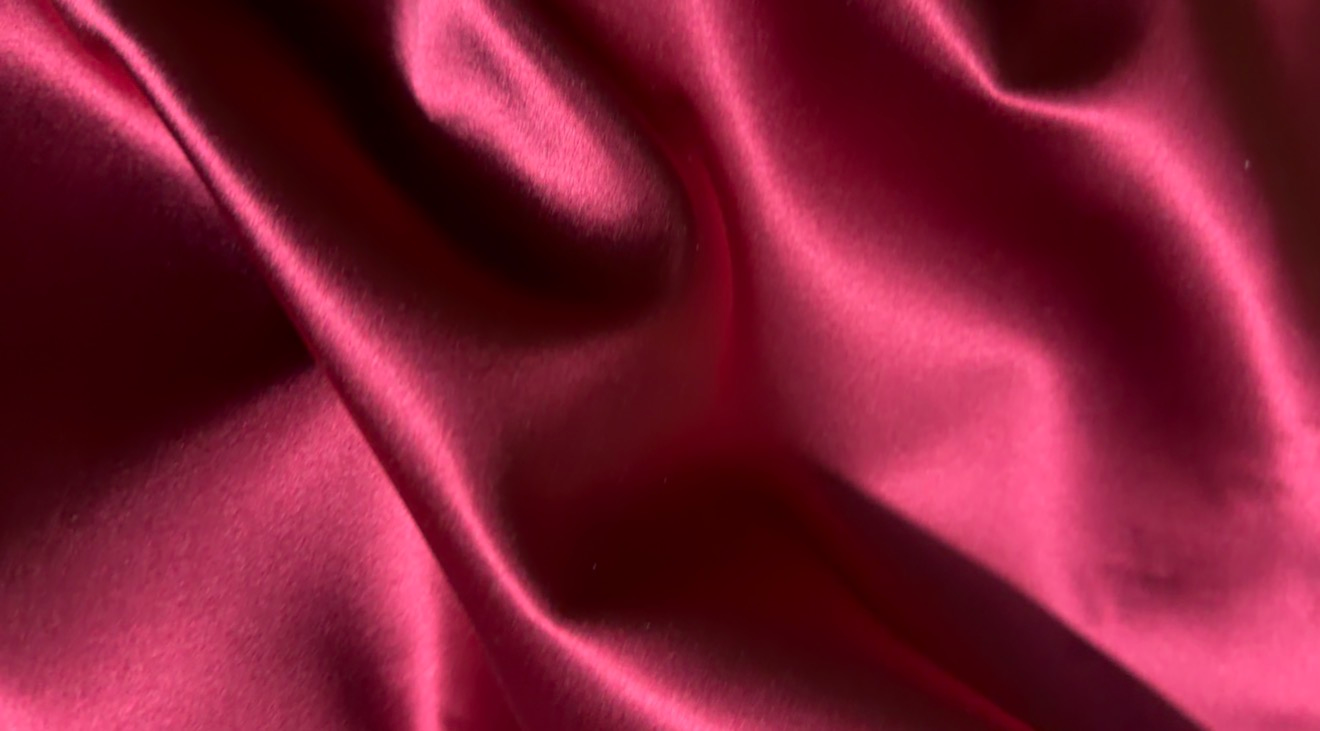
Material selection shapes the foundation of every Physalia silhouette.
Physalia works primarily with silk, cotton lace, and other natural fibers — materials selected for how they move, how they age, and how they interact with the body. In a contemporary luxury market where synthetic materials can also appear at comparable price points, Physalia makes a deliberate choice to work with natural fabrics where they serve the design.
These materials require attention: silk responds differently under construction, while lace requires precision in placement and finishing. These materials reveal the quality of the process behind them.
Working in small batches allows Physalia to preserve the character of these materials from the first cut to the final garment.
Time Spent Where It Isn’t Seen
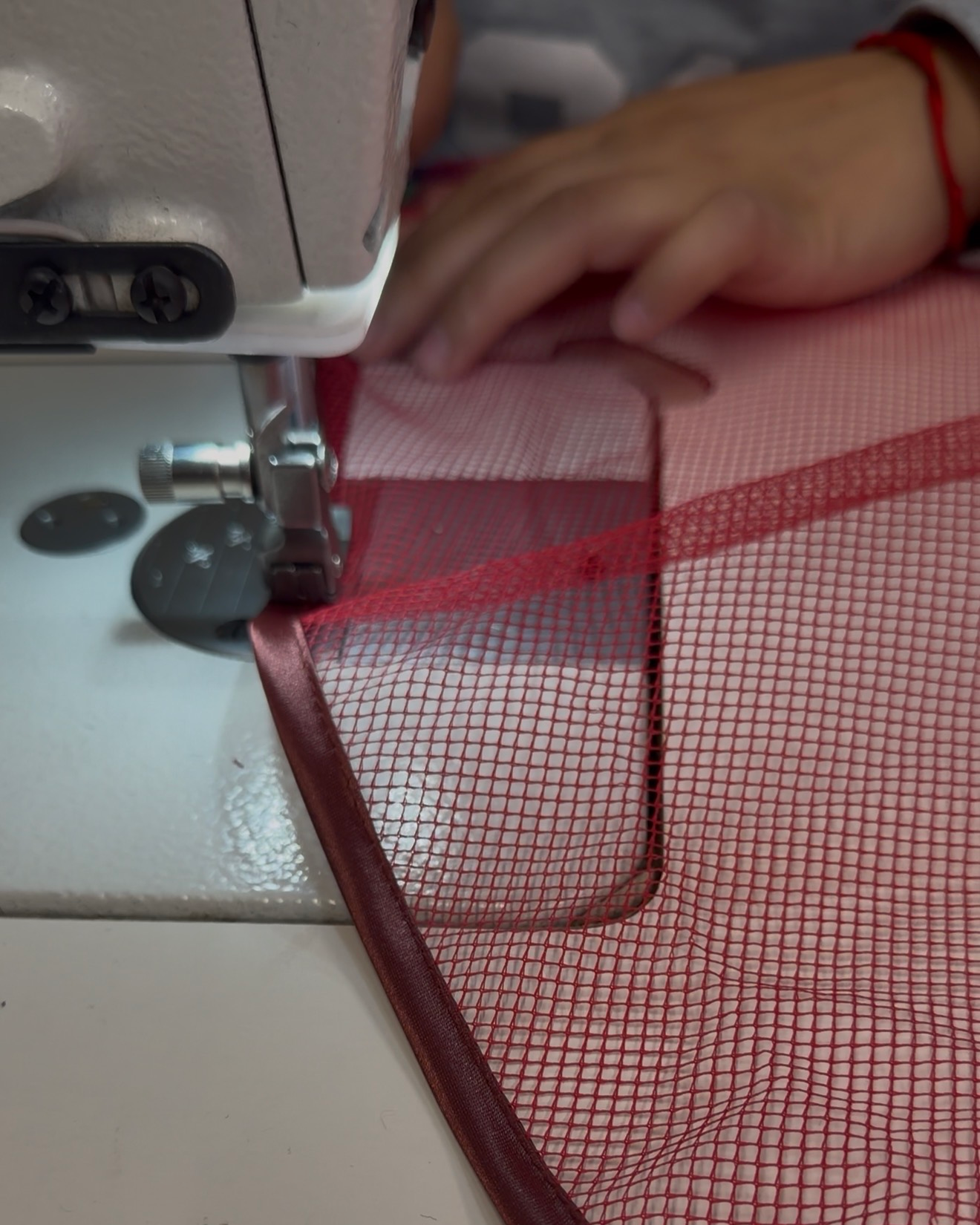
Each garment is developed through careful construction and refinement.
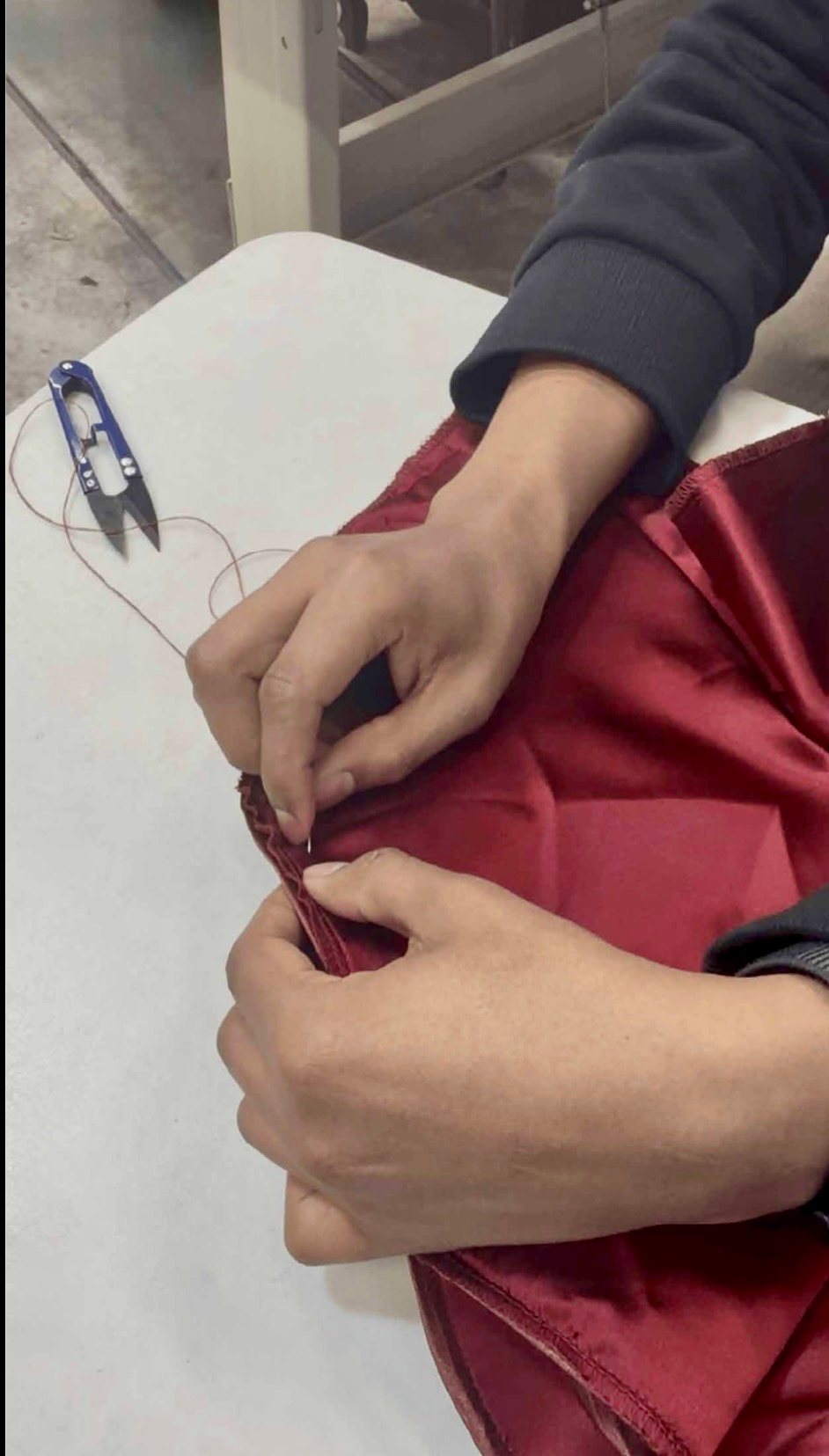
Construction techniques transform materials into finished silhouettes.
Most of what defines a Physalia garment is never visible once it is finished.
A seam finished with additional care. A lining pressed precisely before construction. Small adjustments made throughout the process to ensure the garment maintains its intended shape.
Working in small batches allows Physalia to give greater attention to construction, including hand-finished details where they contribute to the integrity of the garment.
These details do not exist to attract attention. They exist to create a garment that feels considered from the inside outward.
Made for Someone, Not for Stock
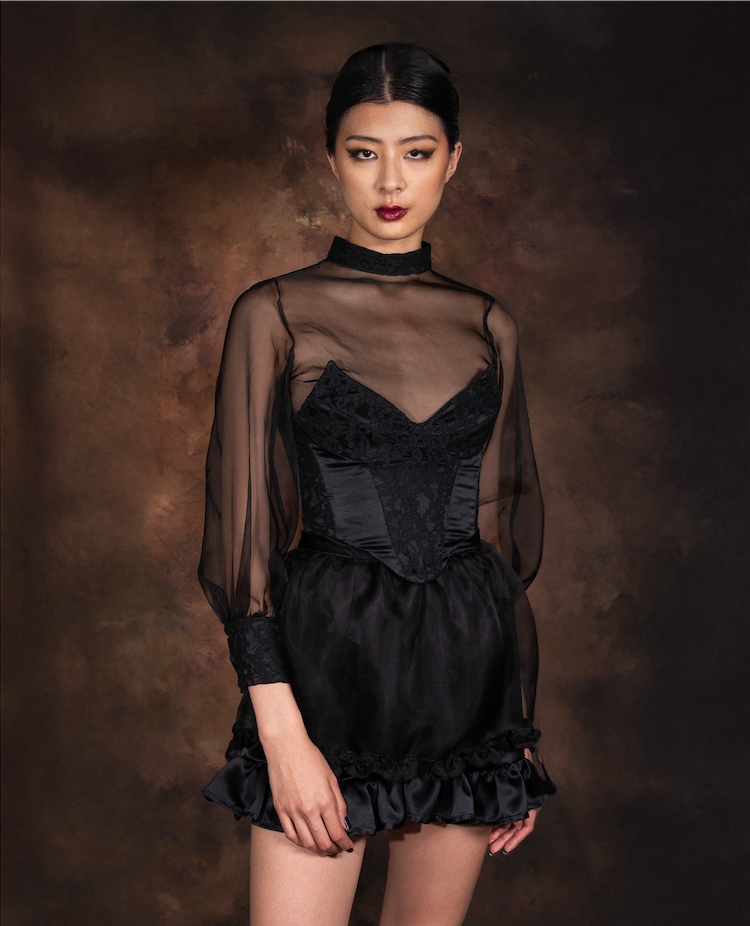
A finished garment reflects the balance between structure, movement, and expression.
FASTIGIUM FW26 — Physalia
Photography: @guangmingfoto
Model: @tung_1117
There is a difference between a garment created to exist on a shelf and a garment created with a specific purpose.
Working in small batches against confirmed demand allows Physalia to avoid unnecessary excess and focus on pieces that remain connected to their original design intention.
Every garment represents a relationship between design, material, craftsmanship, and the person who will eventually wear it.
A Slower Definition of Luxury
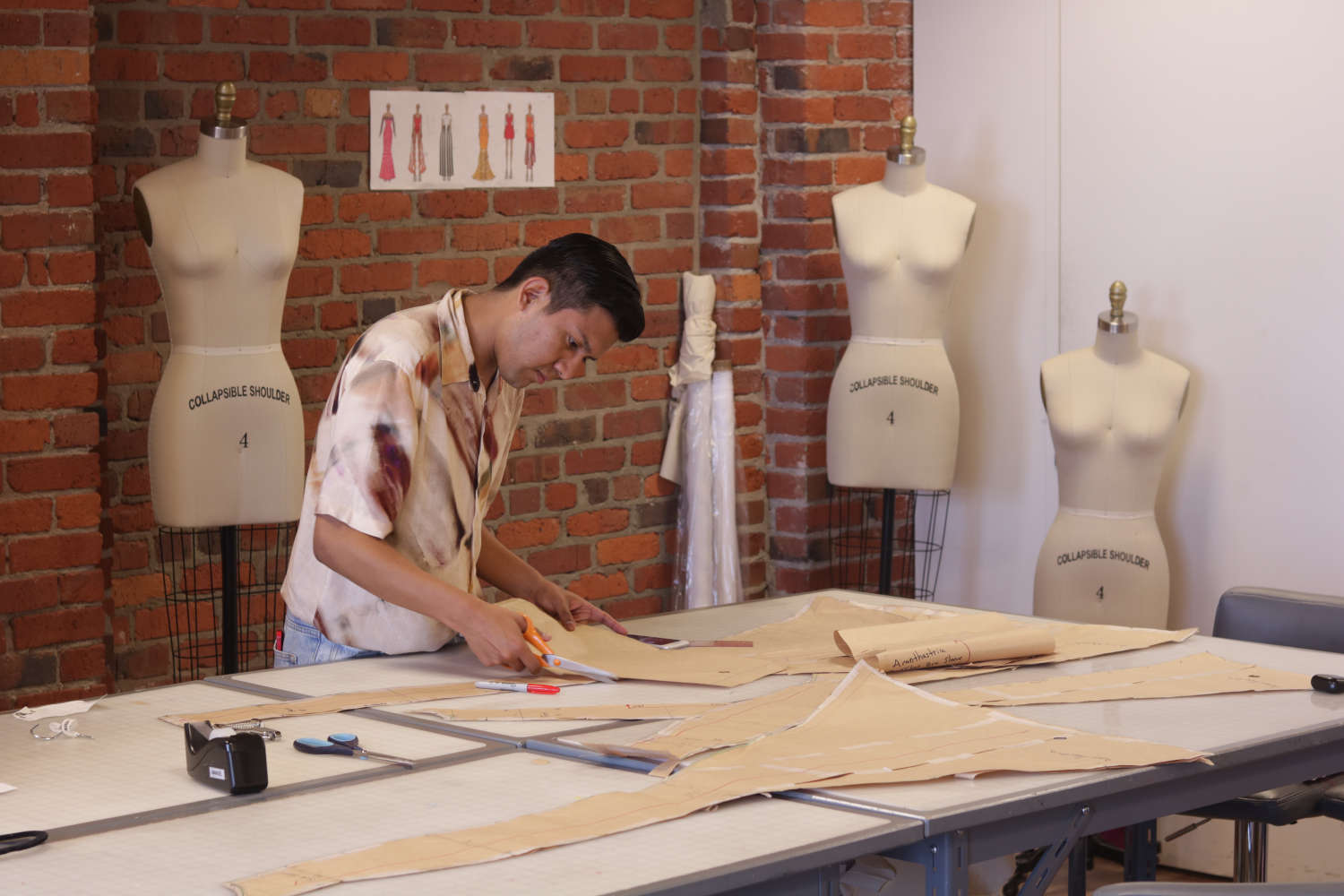
Every Physalia collection begins with research, experimentation, and refinement.
Physalia’s production will never be the fastest way to create a collection. It requires patience, coordination, and trust throughout the process.
But it allows Physalia to work with materials honestly, protect the integrity of each design, and preserve the details that define every garment.
Less speed. More intention.
For Physalia, small-batch luxury womenswear is not about producing less for the sake of limitation. It is about creating with greater purpose.
To learn more about how each collection comes together, visit The Studio or explore the FASTIGIUM FW26 collection.